Why Are My Pipes Sweating? A Guide to Basement Humidity
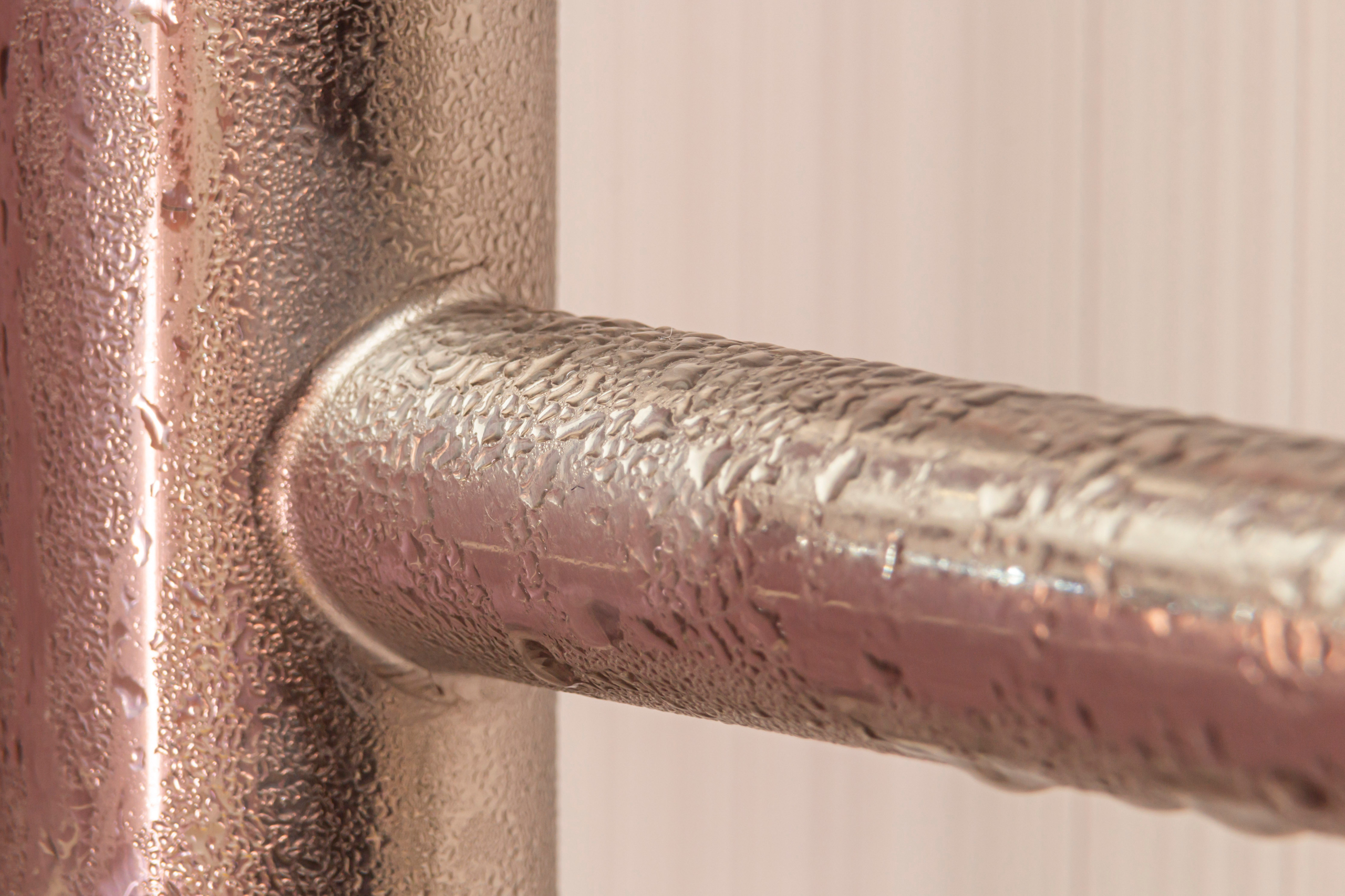
If you’ve ever gone down to your basement to escape the heat on a hot summer afternoon, you may have noticed beads of water covering your cold-water pipes and wondered, “Are my pipes leaking?” or “Why are my pipes sweating?” This is a common phenomenon during Minnesota summers, but it doesn’t necessarily mean your basement is in danger of flooding. In this blog, we’ll help you distinguish between a harmless case of condensation and a genuine plumbing leak and give you steps to keep your basement dry.
The Science: Why Pipes Sweat
You’ve probably noticed drops of water on the glass if you’ve ever had a cold drink on a hot, humid day. This is known as condensation, and it’s the same phenomenon that happens to cold-water pipes during the summer. Condensation occurs when warm, moisture-heavy air touches a colder surface and cools rapidly. Because cold air can’t hold as much water vapor as warm air, the excess moisture transitions from gas into liquid water droplets.
Since Minnesota summers tend to be hot and humid, sweating pipes are a common occurrence.
Pipe Condensation vs. a Leak: Know the Difference
Knowing the difference between simple condensation and a pipe leak can save your basement from flooding and/or water damage. Here are some signs to look for:
Signs of Condensation:
- Water is distributed evenly across the pipe surface (not just at joints).
- The moisture appears as tiny, uniform beads or a light sheen.
- The water is mostly on the main cold-water supply lines.
- The water is dripping inconsistently or not at all.
Signs of a Pipe Leak:
- Water is dripping steadily from a specific point (usually a valve, fitting, or joint).
- There is a puddle forming directly beneath the pipe.
- The pipe shows rust, corrosion, or staining at the joints.
Why You Should Manage Basement Humidity
Excess humidity doesn’t only cause sweating pipes; it poses other risks to your home as well.
Too much humidity can:
- Encourage mold growth.
- Create a musty smell.
- Corrode circuits in sensitive electronics.
- Cause wood furniture and musical instruments to warp or crack.
- Cause paper and photos to yellow or curl.
Controlling the humidity in your home, particularly in the basement, protects your belongings and creates a cleaner, more comfortable living space.
How to Keep Pipes Dry
The most effective solution for preventing excess humidity is a dehumidifier. Placing one of these in your basement will reduce the moisture in the air that causes pipe condensation and other issues.
You can also try to reduce humidity by encouraging better airflow in your basement. Using a small fan to circulate air can keep your pipes and other surfaces warmer and drier.
Finally, you can insulate your pipes using foam pipe sleeves. This will keep the warm, humid air off the cold pipe surfaces, preventing condensation from occurring.
When to Call a Plumber for Sweating Pipes
If you can’t tell the difference between condensation and a pipe leak, or the excess moisture is causing other issues, you should call Robillard Plumbing.
Let us know if you notice any of these things occurring:
- Water damage to your floors or walls.
- Active dripping or staining around valves and joints.
- Continued sweating after you’ve run a dehumidifier.
At Robillard Plumbing, we can provide a quick inspection to ensure your pipes are in good shape and recommend a more permanent humidity control solution if needed. Contact us today to schedule an appointment.