

Category: Plumbing Tips
Why Are My Pipes Sweating? A Guide to Basement Humidity
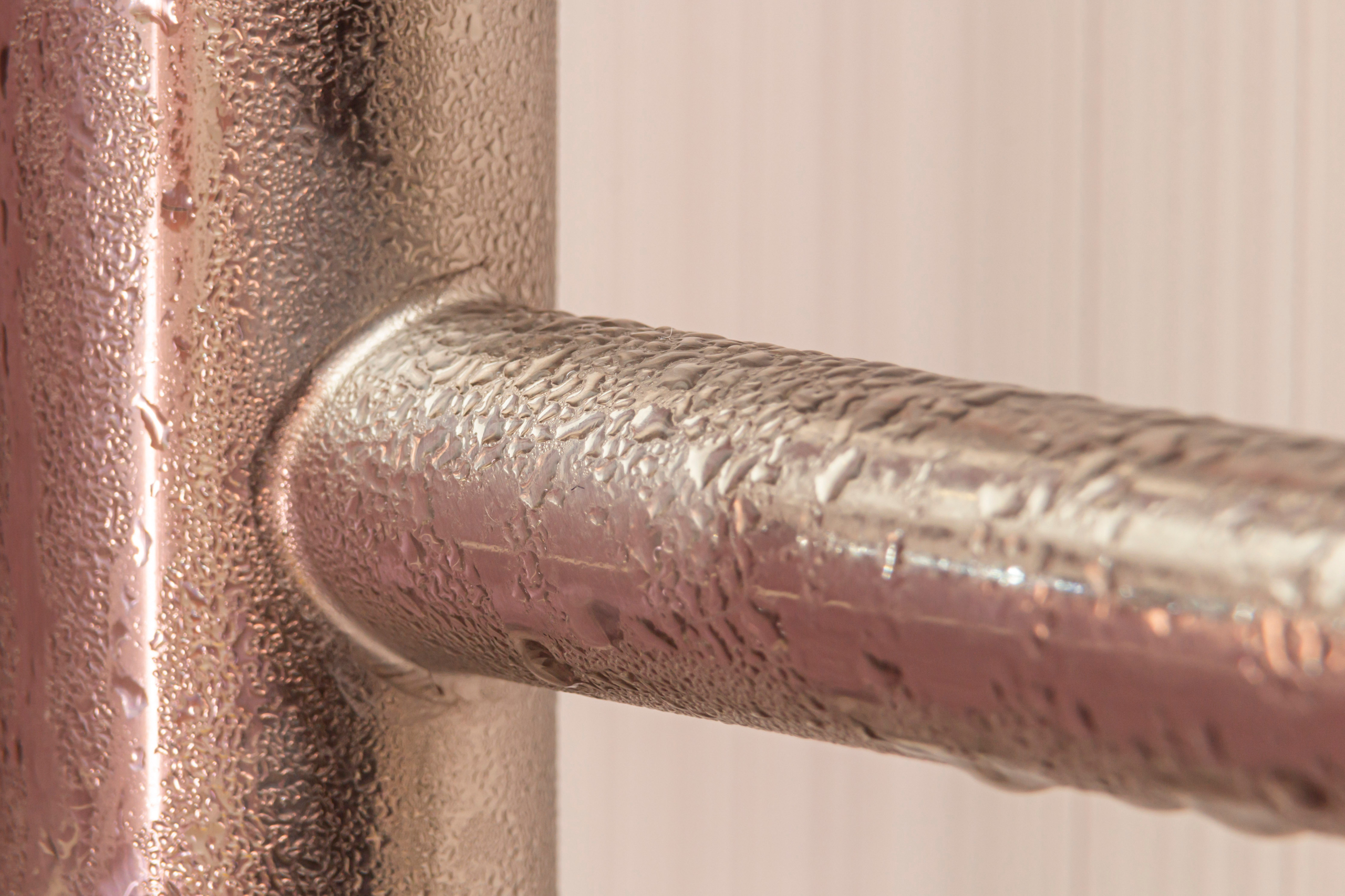
If you’ve ever gone down to your basement to escape the heat on a hot summer afternoon, you may have noticed beads of water covering your cold-water pipes and wondered, “Are my pipes leaking?” or “Why are my pipes sweating?” This is a common phenomenon during Minnesota summers, but it doesn’t necessarily mean your basement is in danger of flooding. In this blog, we’ll help you distinguish between a harmless case of condensation and a genuine plumbing leak and give you steps to keep your basement dry.
The Science: Why Pipes Sweat
You’ve probably noticed drops of water on the glass if you’ve ever had a cold drink on a hot, humid day. This is known as condensation, and it’s the same phenomenon that happens to cold-water pipes during the summer. Condensation occurs when warm, moisture-heavy air touches a colder surface and cools rapidly. Because cold air can’t hold as much water vapor as warm air, the excess moisture transitions from gas into liquid water droplets.
Since Minnesota summers tend to be hot and humid, sweating pipes are a common occurrence.
Pipe Condensation vs. a Leak: Know the Difference
Knowing the difference between simple condensation and a pipe leak can save your basement from flooding and/or water damage. Here are some signs to look for:
Signs of Condensation:
- Water is distributed evenly across the pipe surface (not just at joints).
- The moisture appears as tiny, uniform beads or a light sheen.
- The water is mostly on the main cold-water supply lines.
- The water is dripping inconsistently or not at all.
Signs of a Pipe Leak:
- Water is dripping steadily from a specific point (usually a valve, fitting, or joint).
- There is a puddle forming directly beneath the pipe.
- The pipe shows rust, corrosion, or staining at the joints.
Why You Should Manage Basement Humidity
Excess humidity doesn’t only cause sweating pipes; it poses other risks to your home as well.
Too much humidity can:
- Encourage mold growth.
- Create a musty smell.
- Corrode circuits in sensitive electronics.
- Cause wood furniture and musical instruments to warp or crack.
- Cause paper and photos to yellow or curl.
Controlling the humidity in your home, particularly in the basement, protects your belongings and creates a cleaner, more comfortable living space.
How to Keep Pipes Dry
The most effective solution for preventing excess humidity is a dehumidifier. Placing one of these in your basement will reduce the moisture in the air that causes pipe condensation and other issues.
You can also try to reduce humidity by encouraging better airflow in your basement. Using a small fan to circulate air can keep your pipes and other surfaces warmer and drier.
Finally, you can insulate your pipes using foam pipe sleeves. This will keep the warm, humid air off the cold pipe surfaces, preventing condensation from occurring.
When to Call a Plumber for Sweating Pipes
If you can’t tell the difference between condensation and a pipe leak, or the excess moisture is causing other issues, you should call Robillard Plumbing.
Let us know if you notice any of these things occurring:
- Water damage to your floors or walls.
- Active dripping or staining around valves and joints.
- Continued sweating after you’ve run a dehumidifier.
At Robillard Plumbing, we can provide a quick inspection to ensure your pipes are in good shape and recommend a more permanent humidity control solution if needed. Contact us today to schedule an appointment.
Read More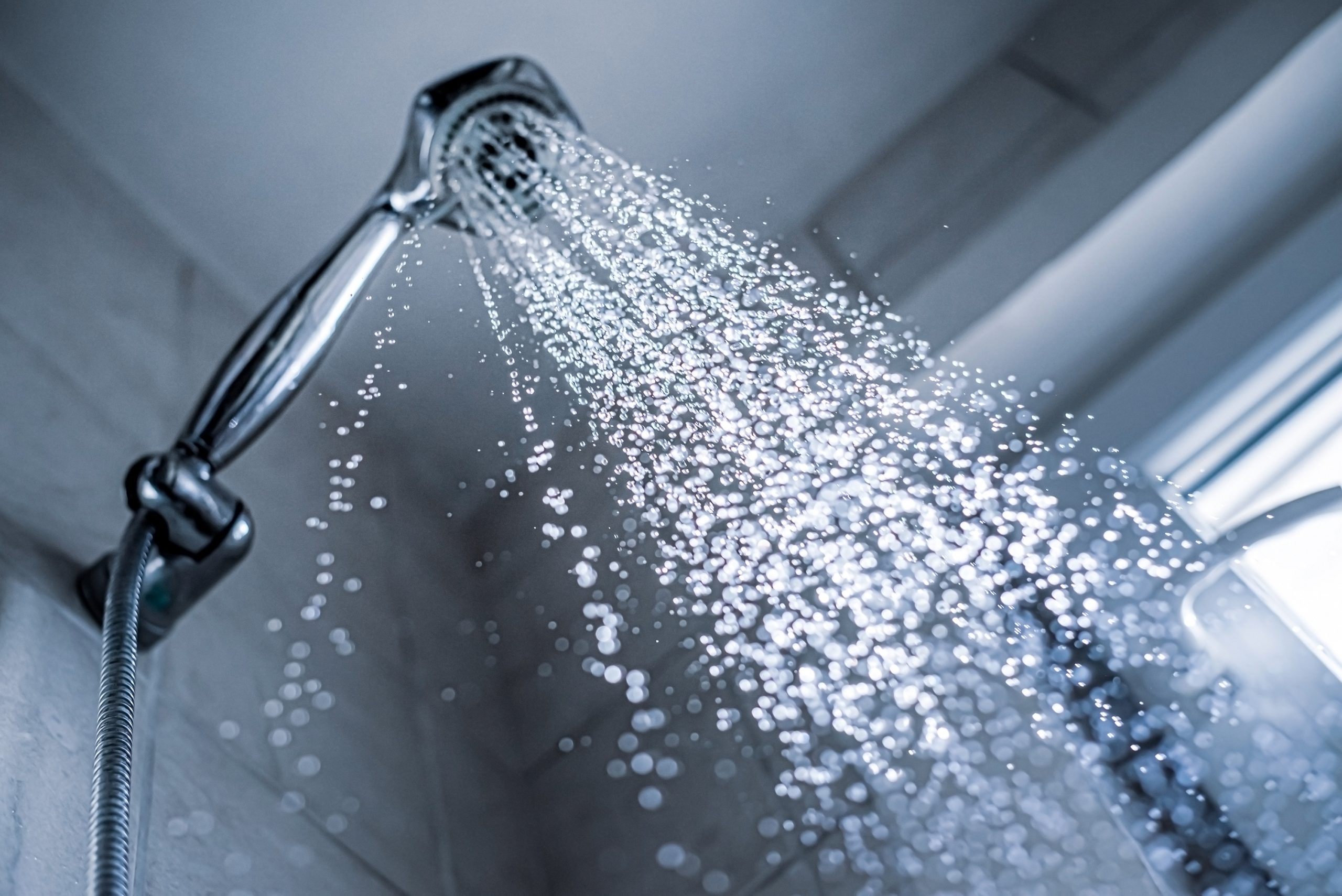
No Hot Water in the Shower? Here’s How to Troubleshoot the Problem
Nothing is worse than stepping into the shower expecting it to be hot and finding the water frigid instead. This is a common problem, however, with several possible causes and solutions. The most common reasons for no hot water in the shower are issues with the anti-scald device, shower cartridge, and mixing valve.
Is It Your Shower or Water Heater?
If there’s no hot water in your shower, you should first check if there’s hot water anywhere else in your home. If none of your fixtures have hot water, then the problem is with your water heater. For example, it could be that the pilot light has gone out, the burner is faulty, or the thermostat is malfunctioning. Regular water heater maintenance can prevent these issues.
If the sink in the same bathroom as your shower does have hot water, then the problem is with your shower.
Common Reasons for No Hot Water in the Shower
Anti-Scald Device Set Too Low
The anti-scald device is a safety feature intended to prevent dangerously high water temperatures. It usually works by limiting how far you can turn the shower handle toward the hot setting. If it’s set too low, it will stop your shower water from getting hot. The anti-scald device is usually installed behind your shower handle. You’ll have to remove the shower handle to locate the anti-scald device, which is usually a plastic disc or ring with notches that limit the handle’s movement. Rotate the device counter-clockwise to allow for more movement, then reinstall the handle and test the water temperature. Make sure not to set the anti-scald device too high, or you’ll run the risk of scalding injuries.
Faulty Shower Cartridge or Mixing Valve
The shower cartridge sits inside the mixing valve, and together, they control the mix of hot and cold water in your shower. Over time, wear and tear or mineral buildup can erode or clog these components, leading to no hot water in your shower. Swapping a shower cartridge is relatively easy. Remove the shower handle and pull the cartridge out of the valve, using a cartridge-pulling tool if necessary. If it’s covered with mineral deposits, you can try soaking it in white vinegar for a few hours to dissolve them. If it’s damaged, simply replace it with another shower cartridge of the same type.
Fixing a mixing valve is more difficult than replacing a cartridge. We recommend calling a professional plumber for assistance if you think you’re dealing with a faulty mixing valve.
When to Call a Plumber
If you’ve tried adjusting the anti-scald device and changing the shower cartridge, you may be dealing with a more complex problem that is preventing your shower from getting hot. If DIY fixes aren’t working or if you’re worried about damaging your plumbing, it’s best to call a professional plumber.
At Robillard Plumbing, we are experts in plumbing issues big and small. If there’s no hot water in your shower and you’re not sure why, we can help. Contact us today for a fast and effective solution. Based in Maple Grove, MN, we serve the entire northwest metro area.
Read More