Category: Plumbing Tips
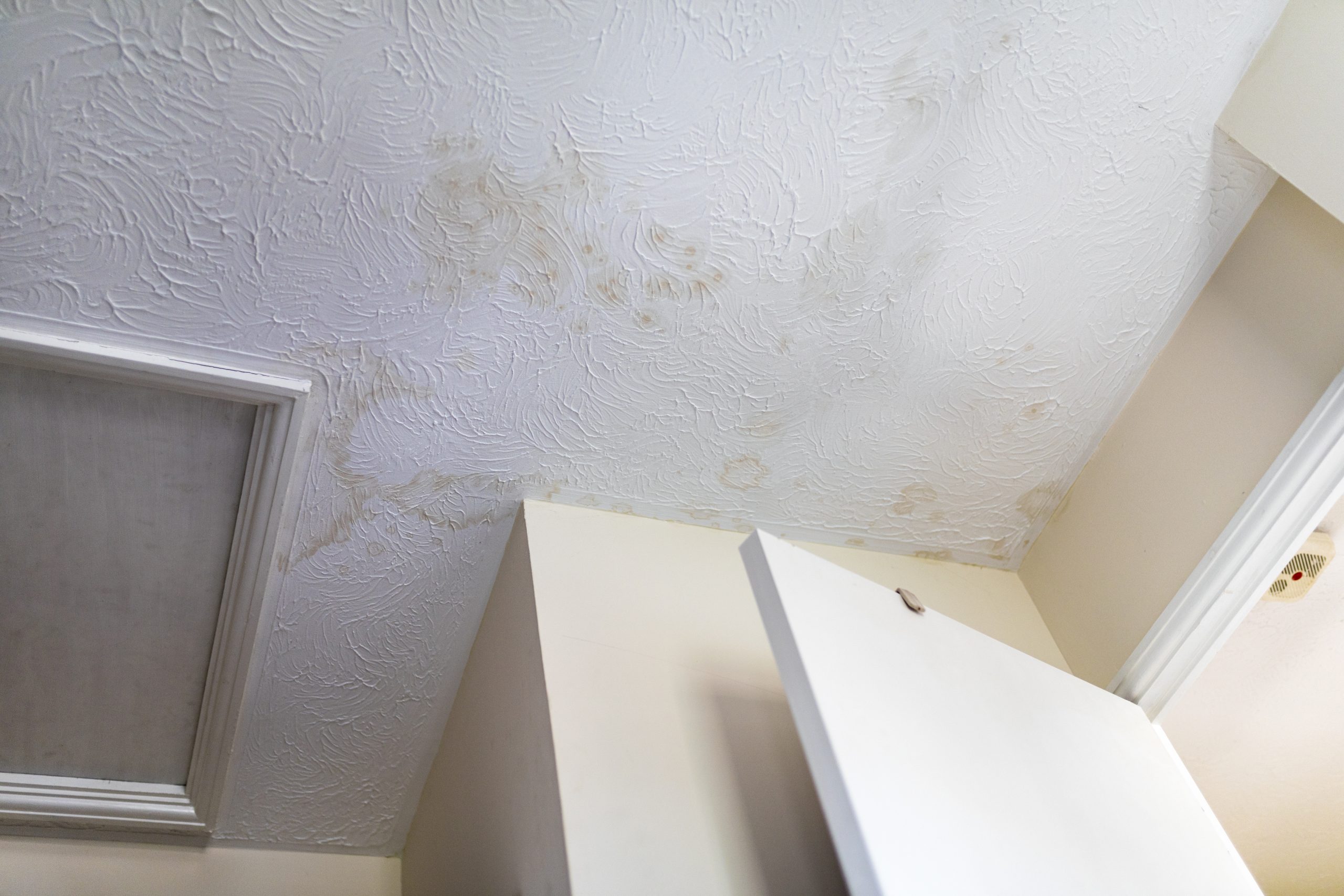
How to Find a Water Leak in Your Home: A Complete Guide
That little drip, drip, drip behind a wall or under a floor isn’t just annoying; it’s the sound of your money literally going down the drain. Hidden water leaks are one of the most insidious problems a homeowner can face. They don’t just waste water—they can lead to astronomical utility bills, wood rot, mold growth, and structural damage that costs thousands to repair.
At Robillard Plumbing, we know that finding these elusive leaks can be tough. Here is our expert guide on how to find a water leak in your home and the single best trick for confirming a problem.
The Red Flags: 5 Signs You Have a Leak
If you’re wondering how to find a water leak using only your senses, pay close attention to these subtle warning signals your home sends. Don’t ignore these tell-tale signs:
1. The Skyrocketing Water Bill
This is often the first and most obvious clue. If your monthly water usage suddenly jumps significantly, but your habits haven’t changed (you didn’t fill a pool or host a massive party), a hidden leak is the most likely culprit. Even a slow toilet leak can add hundreds of gallons to your bill each month.
2. The Musty Smell and Damp Patches
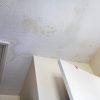
If you notice a consistent, unexplained musty odor, especially in a basement, laundry room, or closet, it’s a huge warning sign. Mold and mildew thrive in the damp conditions created by a constant leak. You might also notice dark spots or discoloration on walls, ceilings, or flooring near plumbing lines.
3. Low Water Pressure
If your water pressure suddenly drops at one or two fixtures, it might be a clog. But if the pressure seems low throughout the entire house, it could mean a slab leak or another major break in your main supply line, diverting water before it ever reaches your faucets.
4. The Running Water Sound
If your house is silent and you can hear the faint sound of running water, dripping, or trickling near a wall or utility area, it’s time to investigate. The sound could be your toilet constantly trickling into the bowl or a pipe leaking inside the wall structure.
5. Foundation or Yard Changes
If the leak is in your main water line or a pipe running under your home:
- In the Yard: You may notice one area of your lawn that is perpetually lush, spongy, or even sinking when the rest of the lawn is dry.
- In the House: Cracks in your foundation or floors can sometimes indicate that water is undermining the soil beneath your home.
The Simple DIY Water Leak Confirmation Test
Before you panic, confirm that the leak is real using your water meter. This test is the most reliable way to know if water is escaping somewhere inside your system.
- Stop All Water Use: Make sure every single source of water is turned off: toilets, faucets, washing machine, dishwasher, and irrigation systems.
- Read the Meter: Locate your home’s water meter (usually near the street or in the basement). Take a reading of the numbers or note the position of the small red/black triangle or dial that indicates flow.
- Wait: Do not use any water for at least 15 to 30 minutes.
- Read Again: Check the meter. If the numbers have changed, or the dial/triangle is spinning, you have an active leak.
When to Call the Professionals at Robillard Plumbing
While you might be able to handle a simple, visible leak under a sink, a hidden leak—especially one confirmed by the water meter test—requires specialized equipment. Don’t try to tear open walls or concrete yourself!
At Robillard Plumbing, we specialize in non-invasive leak detection. We use special tools and techniques to pinpoint the exact location of a leak behind walls, floors, or concrete slabs with minimal damage to your home.
Whether it’s a tiny pinhole leak in a copper pipe or a serious break in your main line, our licensed and experienced team will:
- Accurately Locate the Leak: Saving you time and unnecessary demolition.
- Perform Expert Repair: Fixing the leak and restoring your plumbing integrity.
- Protect Your Home: Preventing further water damage and mold growth.
Don’t let the sound of money dripping away keep you up at night. If you’re still wondering how to find a water leak in your home, contact Robillard Plumbing today to schedule your professional leak detection and repair service!
Read More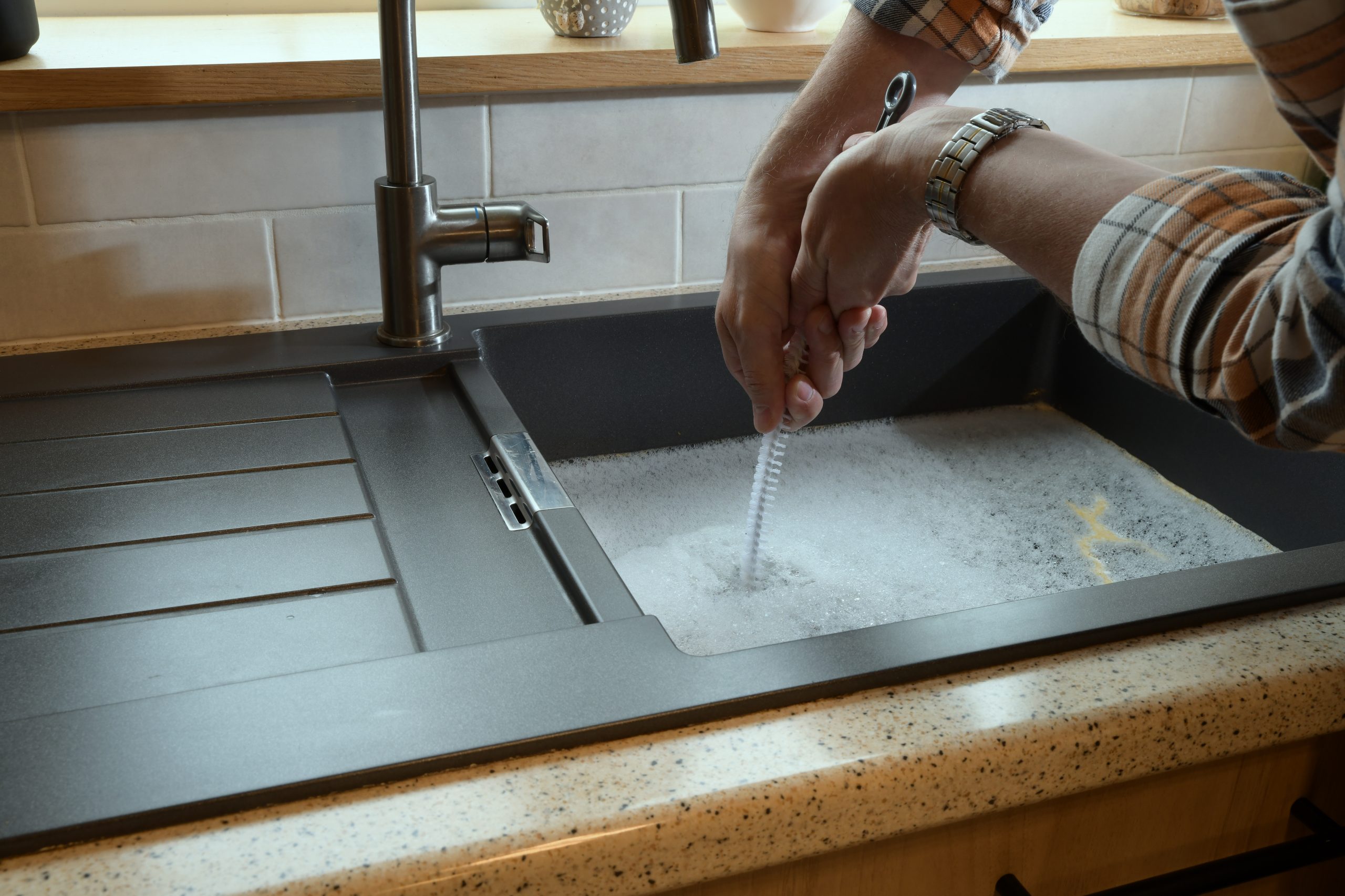
Slow Drain vs. Main Line Sewer Clog: How to Tell When You Need a Plumber
Every homeowner has dealt with a slow drain. It starts with the shower water pooling slightly around your feet, or the kitchen sink taking just a little too long to empty. Most of the time, this is an easy fix: a quick application of a plunger or a basic drain snake clears out a hairball or a small food clog, and life goes on.
But sometimes, a drain issue is a sign of a much bigger, much messier problem lurking in your home’s main sewer line. Knowing the difference between a minor blockage and a main line sewer clog is crucial—it can save you from severe water damage and costly emergency repairs.
Here’s your guide from Robillard Plumbing on how to diagnose the issue and when to drop the plunger and call a professional.
The Clues: Is It a Local Problem or a Main Line Sewer Clog?
The key to diagnosing a plumbing issue is looking at how many fixtures are affected and where the water is backing up.
Signs of a Minor, Local Clog (DIY Potential)
A local clog affects only one drain and is usually caused by buildup close to the fixture. You may be able to address local clogs yourself.
- Only the bathtub or shower is draining slowly. This could mean that hair, soap scum, or another foreign object is in the P-trap or drain near the bathtub or shower. You can try using a plunger, a small drain snake, or boiling water to clear the blockage. Avoid chemical drain cleaners though, as they can damage your pipes.
- Only the kitchen sink is slow. Grease, oil, and food particles are likely stuck between the sink drain and the main sewer line. Try a plunger or a professional-grade enzymatic cleaner in this situation. The latter is eco-friendly, non-toxic, and much safer than chemical cleaners.
- Water bubbles slightly when another nearby fixture is used (e.g., the toilet bubbles when the sink is draining). This could mean that a partial blockage is restricting airflow and water near the bubbling fixture. A plunger or snake can work here too, but if the gurgling continues or occurs in multiple fixtures, there may be a larger issue in your plumbing.
Signs of a Major, Main Line Sewer Clog (Call Robillard Immediately)
The main sewer line is the single pipe that carries all wastewater out of your house to the city sewer or septic tank. If it’s blocked, everything backs up, and you’re better off calling us for professional drain cleaning.
- Multiple fixtures are backing up simultaneously. This likely means there is a clog in your main line, located downstream of the affected fixtures.This indicates a widespread blockage, often caused by tree roots, broken pipes, or excessive buildup.
- Toilet gurgles when you use the sink/shower. Here, you probably have a severe blockage causing wastewater from one line to seek the path of least resistance (the empty toilet bowl). This is a classic symptom of a main line issue.
- Sewage backs up into low-level drains. When wastewater can’t escape the house, it flows back up into the lowest point, usually a basement floor drain. This is an emergency, as raw sewage is a health hazard and requires immediate professional intervention to protect your household.
- Foul sewer odors are coming from drains. Persistent, strong odors coming from multiple drains, especially basement drains, likely mean that gases are escaping the sewer because the main line is severely obstructed. This also requires professional attention.
Stop! Why You Should Never Use Chemical Drain Cleaners
While store-bought chemical drain cleaners are easy to find, they can be highly damaging to your plumbing system.
- They don’t work completely: They often only melt a small path through the center of a clog, leaving the rest of the buildup to solidify again quickly.
- They are corrosive: The caustic chemicals can erode older pipes, especially metal or cast iron, leading to leaks and costly replacements.
- They create a safety hazard: If the cleaner doesn’t work and you call a plumber, that corrosive liquid remains in the pipe, posing a danger to the technician.
A plunger or a manual snake is always safer for minor clogs. For anything else, you need a professional.
The Robillard Plumbing Solution: Precision Diagnosis
When you call Robillard Plumbing for a suspected main line sewer clog, we don’t just guess—we use precision tools to find the exact problem:
- Video camera inspection: We insert a high-resolution camera into your main line. This allows us to see exactly what’s causing the blockage, whether it’s invasive tree roots, a break in the pipe, or a major build-up of sludge. This step eliminates guesswork and targets the repair accurately.
- Hydro-jetting: For serious grease, scale, or sediment buildup, we use high-pressure water streams to scour the interior walls of your pipes. This is far more effective than snaking and actually cleans the pipe, not just poking a hole through the clog.
We proudly serve the Twin Cities’ Northwest Metro area, including Maple Grove, Plymouth, and Champlin, and we are prepared for any emergency, big or small.
If your home is showing the signs of a main line sewer clog, don’t wait for a basement flood. Contact Robillard Plumbing today to schedule a professional inspection and get your system flowing freely and reliably again.
Read More