
Category: Water Heaters
Water Heater Maintenance: The Ultimate Homeowner’s Guide
In the northwest metro, we rely on our water heaters for everything from sanitizing dishes to enjoying a hot shower after a long day in the Minnesota cold. Yet, because these units are tucked away in basements or utility closets, they are often “out of sight, out of mind”—until the water turns cold.
Proper water heater maintenance is the key to extending the life of your unit, lowering your energy bills, and preventing the mess of a leaking tank. This guide will walk you through everything you need to know to keep your hot water flowing reliably for years to come.
How a Water Heater Works
Most homes in our area use a traditional tank-style water heater. Here is a simplified look at the process:
- Cold Water Entry: Cold water enters the tank through a “dip tube,” which directs it to the bottom of the tank.
- Heating: Depending on your model, either a gas burner (at the bottom) or electric heating elements (inside the tank) heat the water.
- Thermostat Control: A thermostat monitors the temperature. When the water cools down, the heater kicks on; once it reaches the set temperature, it shuts off.
- Heat Rise: Because heat rises, the hottest water stays at the top of the tank, ready to be sent to your faucets when you turn on the tap.
- Protection: To prevent the steel tank from rusting, an anode rod hangs inside the water. This sacrificial rod attracts corrosive elements in the water, preventing them from eating away at the sides of your tank.
Signs Your Water Heater Needs Maintenance
Your water heater will often tell you it’s struggling before it fails completely. Watch for these red flags:
- Strange Noises: If you hear popping, banging, or “kettling” sounds, it’s usually caused by sediment buildup at the bottom. This makes the unit work harder and can eventually damage the tank.
- Discolored Water: Rusty or “tea-colored” water can indicate that your anode rod has failed and the inside of your tank is beginning to corrode.
- Fluctuating Temperatures: If your showers are getting shorter or the water never seems to get as hot as it used to, your heating elements or gas burner may be failing.
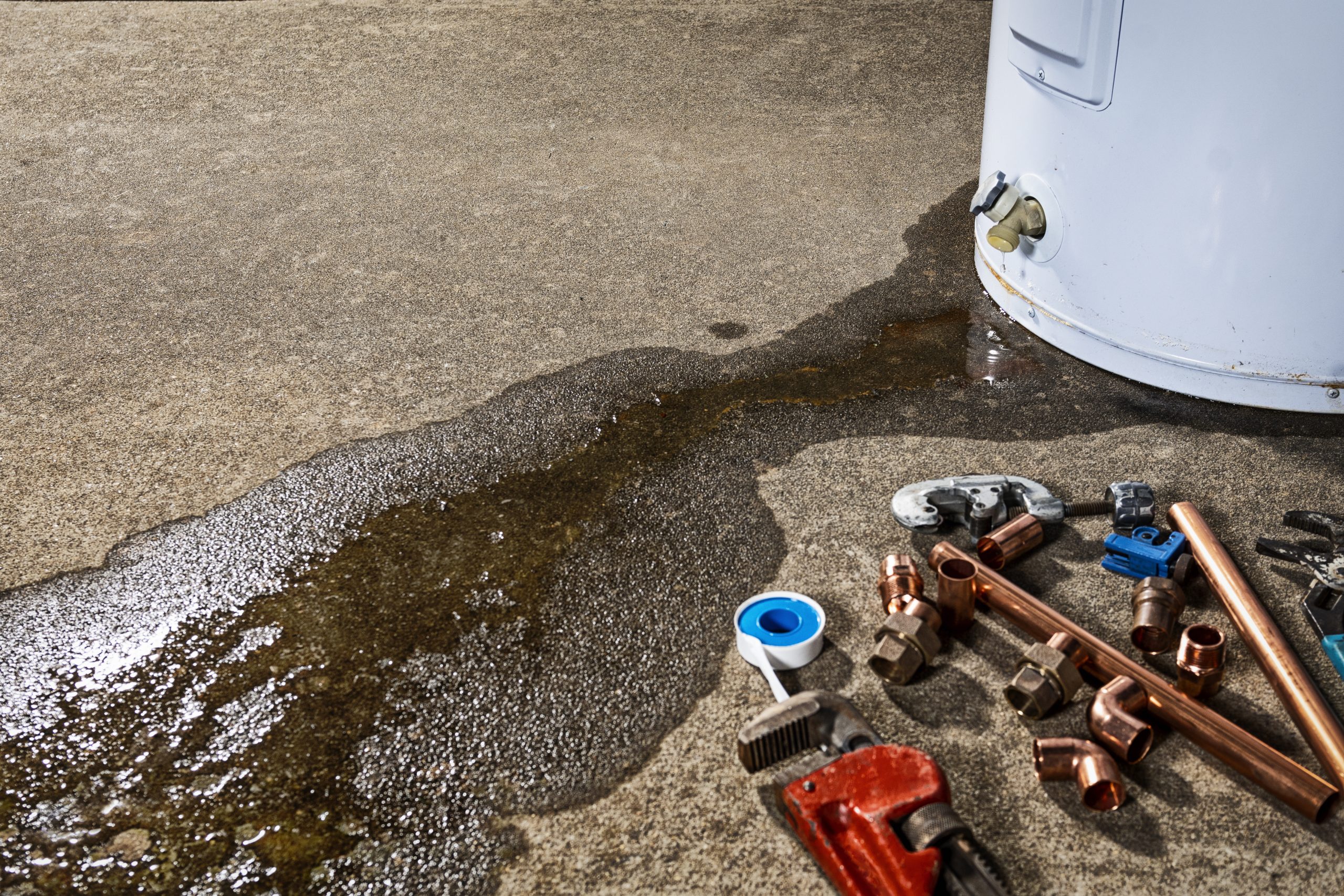
- Slow Leaks or Dampness: Check the base of the tank and the pipe connections. Even a tiny “weeping” leak can quickly turn into a basement-flooding disaster.
- Age: Most tank-style water heaters last 8 to 12 years. If yours is in double digits, it needs professional eyes on it annually.
Easy DIY Water Heater Maintenance Tips
While the complex mechanical parts should be left to a master plumber, there are a few water heater maintenance tasks you can do to keep your unit running efficiently:
1. Check the Temperature Settings
Check the thermostat on your water heater. We recommend setting it to 120 degrees Fahrenheit. This is hot enough for household needs but cool enough to prevent scalding and reduce the “idling” energy costs of the unit.
2. Clear the Perimeter
It’s easy for the area around the water heater to become a storage spot for holiday decorations or cleaning supplies. Ensure there is at least two feet of clearance around the unit for proper airflow (especially for gas models) and easy access for inspections.
3. Visual Inspections
Once a month, do a quick “walk-around.” Look for signs of heavy corrosion on the pipes, soot near the burner (for gas units), or any moisture on the floor. Early detection is the best way to avoid emergency repair costs.
When to Call a Professional Plumber for Water Heater Maintenance
While DIY checks are great, some water heater maintenance tasks require the tools and expertise of a licensed professional. You should call Robillard Plumbing for an annual service visit to handle the following:
- Anode Rod Replacement: This is the single most important maintenance task. We inspect the rod and replace it if it’s depleted, which can literally double the lifespan of your tank.
- T&P Valve Testing: The Temperature and Pressure (T&P) relief valve is a critical safety feature. We test it to ensure that if your tank ever overheats, the valve will open to prevent a dangerous pressure buildup.
- Burner and Venting Inspection: For gas water heaters, we ensure the burner is clean and the exhaust is venting safely out of your home to prevent carbon monoxide risks.
- Electrical Component Testing: For electric models, we test the upper and lower heating elements to ensure they are drawing the correct voltage and heating efficiently.
Schedule Your Water Heater Protection Today
Don’t wait for a leak or a cold shower to think about your water heater. Proactive water heater maintenance is the best way to protect your home and your wallet.
If you haven’t had a professional look at your water heater in the last 12 months, contact the experts at Robillard Plumbing today at (763) 424-5514!
Read More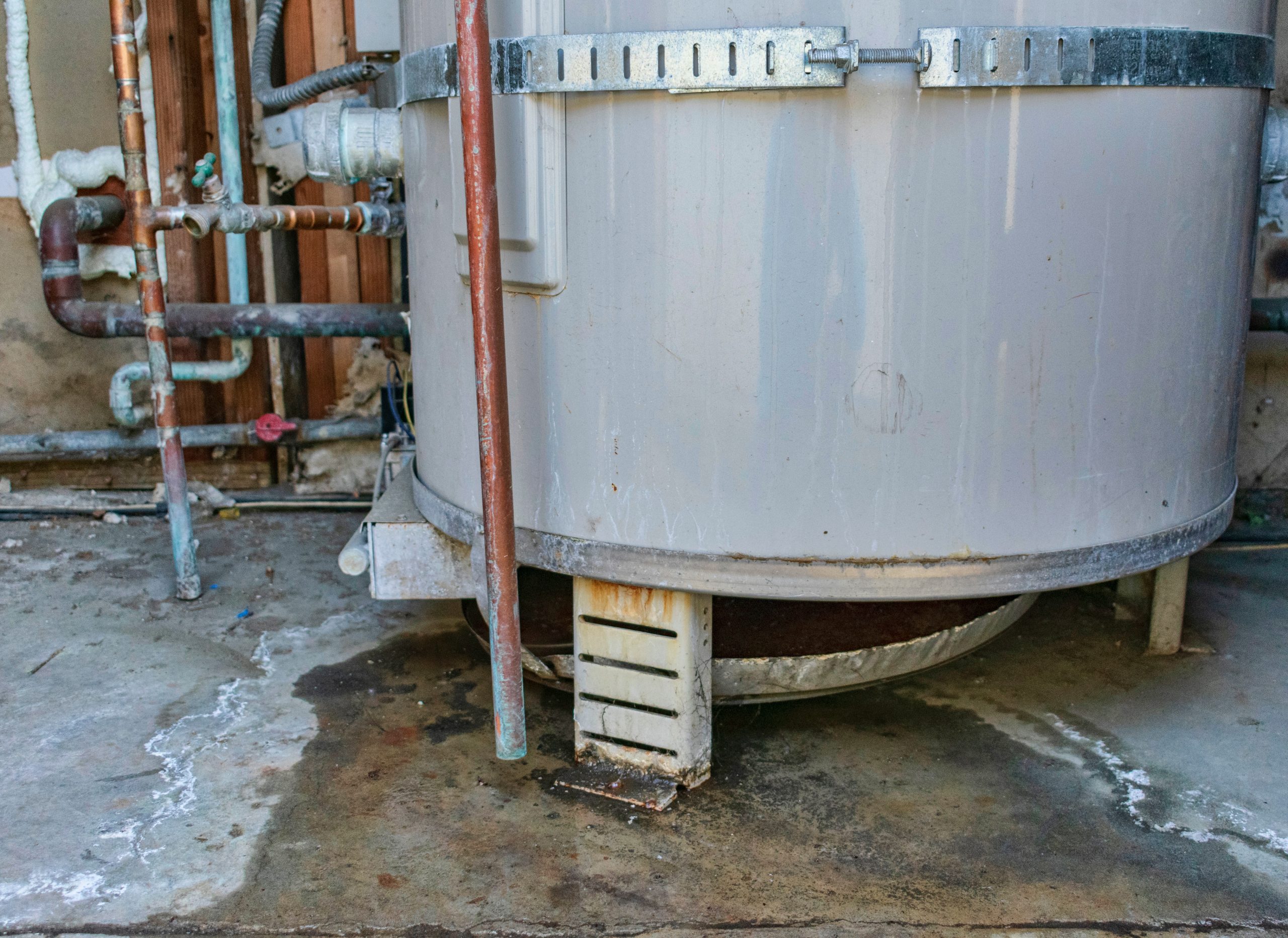
Signs That You Need to Replace Your Water Heater
After a long and tiring day of working or doing anything productive, nothing is better than taking a nice, hot shower or bath to relax. Unfortunately, there could be a moment when your water heater doesn’t operate as it should, interrupting your relaxation. As a homeowner, do you know what to look for that might indicate you need a new water heater? Continue reading our blog to learn the signs that you need to replace your water heater.
Frequent Repairs
If you are constantly having to call a technician to come and repair your water heater, then it is probably time to get a replacement. Frequent repairs are a clear indication that something is wrong with your current water heater, and the total of those costly repairs will begin to add up over time.
Cold Water
Taking a cold shower or bath is not the most ideal situation, but it is a sign that your water heater isn’t working properly. If you are able to take a hot shower one night, but the next day your water is not getting hot or even warm, that could indicate that your tank’s heating element has burned out.
Older Than 15 years
The average residential water heater lasts around 10 to 15 years. If the one in your home is older, it is likely time for a replacement. If you live in an older home and you’re having issues with your water heater, consider having a licensed plumber examine it to help determine the age and condition.
Pooling Water
Located behind the exterior case of your water heater is a steel tank surrounded by insulation. If there is standing water around the base, that means there’s a possible leak. If you notice pooling water, you should get a new water heater as soon as possible, as the leak can cause serious water damage to your home.
Rusty Water
Rusty water stains on bathroom sinks and in the toilet are often caused by rusty water heater tanks. The rust can also cause corrosion in your pipes, leading to water leaks. Replacing your rusted water heater tank can improve the overall quality of water in your home.
Contact Robillard Plumbing
These are some signs that you need to replace your water heater, but there could be other indications as well. At Robillard Plumbing, we provide reliable residential plumbing services in the Northwest metro area. Whether you need repairs, plumbing maintenance, or installation services, we’re 100 percent committed to getting the job done. Contact us today for our plumbing services!
Read More