Monthly Archives :
Tag: Winter Plumbing
Preventing Frozen Pipes During Winter
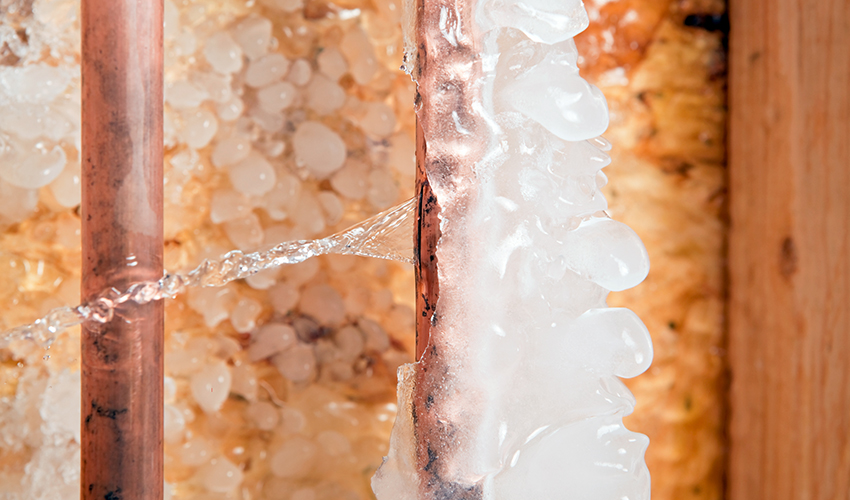
Here in Minnesota, we’re no strangers to extremely cold weather. Unfortunately, that means an even higher risk to perhaps the most common winter plumbing issue: frozen pipes. As a homeowner, it’s important to take the proper steps to protect your household and family. To help, we put together these tips for preventing frozen pipes during winter.
Locations at Risk for Frozen Pipes
Before learning how to protect pipes from freezing, it’s important to understand what areas around the home are at risk.
Exterior Walls
Pipes running along your home’s exterior walls have the bitter outdoor cold on one side. With little to no insulation for protection, they’re at risk for freezing.
Unheated Interior Areas
Beware of piping in unheated areas around your home when the temps drop: attics, crawl spaces, garages, and kitchen cabinets.
Exposed Outdoor Pipes
Any outdoor pipes that are directly exposed to the cold are obviously at risk for freezing. These include outdoor hose bibs (spigots), sprinkler lines, and swimming pool supply lines. All exterior pipes should be drained and shut off before the winter season, with all hoses removed from the faucets.
Tips For Preventing Frozen Pipes
So, what can you do? There are steps to take before winter hits, but since it’s already January, we’ll focus on what should be done now to protect your home and its piping.
Keep Garage Doors Closed
If there are water supply lines in your garage, keep the doors closed to keep the cold out and trap in as much heat as possible.
Open Cabinets and Closets
Closed doors prevent heat transfer. Open closet doors and cabinets in your kitchen and bathroom so warm air can reach and circulate around the plumbing.
Let Faucets Drip/Trickle
During extreme cold, leave faucets slightly open overnight. Keeping the water running, even at a light drip or trickle, will help prevent freezing.
Keep the Thermostat Up
Many homeowners lower the thermostat at night or when they’re away to save on energy costs. If you do, remember that the lower the temperature, the higher the risk of frozen pipes. Keeping the thermostat up consistently may increase the heating bill a bit but repairing a burst pipe and the damage it causes is significantly more expensive.
Generally, it’s recommended to go no lower than 55 degrees (or closer to 60 during severely low temps), especially if you’re leaving home for multiple days.
Pay Attention to Wind
January and February tend to be the coldest months, and windy conditions increase the risk of frozen pipes even more. Wind can penetrate cracks and seams in your home’s exterior, exposing pipes deeper inside your home to cold air. Pay attention to the direction of the wind and the pipes on that side of the house.
Protect Your Sump Pump
Sump pumps are generally located in or near the basement – which are colder areas of the home – and become susceptible to freezing in winter. Reduce the sump’s workload by redirecting water away from the basement. Consult your local plumber for help insulating your pump’s area and components for added protection.
The new year is upon us, but we know that there are still plenty of cold days yet to come here in Minnesota. The first couple of months also tend to be the coldest, so be sure to follow these tips for preventing frozen pipes during winter to keep your home safe. In the unfortunate event of a burst pipe, contact a plumbing professional immediately. The master plumbers at Robillard are experts when it comes to frozen/burst pipes and water damage restoration, and are always here to help. Contact us for all your plumbing needs.
Preventing Common Winter Plumbing Issues
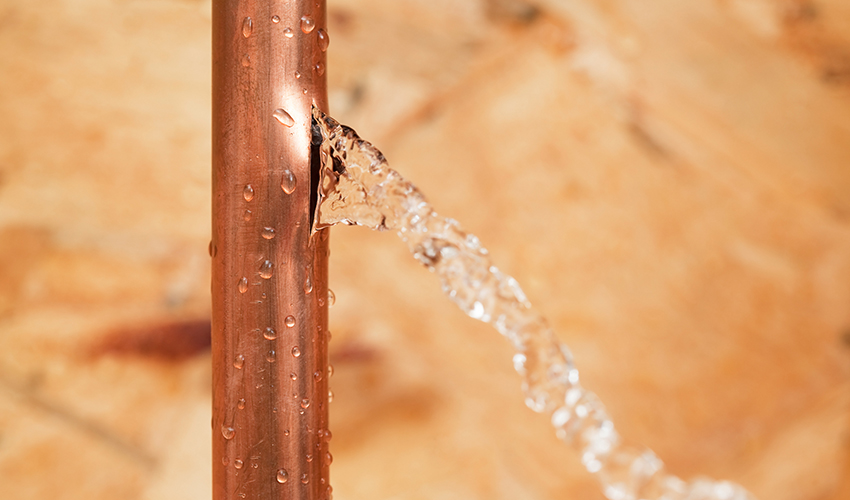
The season of snow, short days, and brutally cold temps is upon us. Winter tends to be extra stressful on your home’s plumbing, especially when they’re as extreme as what we experience in Minnesota. Want to stay ahead this year? Here are some tips to help prevent common winter plumbing issues in your household.
Problem: Clogged Drains from Grease and Food
Food and other blockages accumulate in pipes more easily during colder weather. With all the extra food and clean-up of the holidays, it’s important to take some precautions to keep your pipes running smoothly.
What You Can Do
While you should be careful year-round, be especially cautious when discarding food scraps in the sink. If you don’t have a garbage disposal, be sure you throw away as many food particles as possible and use a drain screen to catch any that may have been missed.
Grease and oil should never get into your pipes. These substances stick to pipes instead of draining properly, where they solidify and can cause big blockages. Instead, let grease or oil cool in a container and then throw it away in the trash. If you experience drain issues, beware that store-bought chemical treatments can damage your pipes. Contact a drain cleaning expert.
Problem: Frozen Pipes
This is probably the most
common winter plumbing issue, due to below freezing temperatures and high water
pressure from the main line. A change in water flow can indicate a frozen pipe,
which can burst as it thaws and cause expensive damage.
What You Can Do
If you’re trying to save money by lowering the thermostat, remember that the lower it’s set, the higher the risk of frozen pipes in your exterior walls. It’s recommended to set it no lower than 55 degrees, or even closer to 60 if outside temps are at severe lows, especially if you’re leaving home for multiple days.
During extreme cold, open cabinets and closets to let the warm air reach hidden pipes. You can also leave your faucet open just enough for a light trickle through the coldest nights. In the case of a burst pipe, locate and shut off the main water valve and contact a plumbing professional immediately.
Problem: Water Heater Failure
Colder weather means colder water is delivered to your water heater, forcing it to work extra hard to keep up. Nobody wants to be left with cold water in the winter, so help prevent an issue with these tips.
What You Can Do
Insulate the room your water heater is in. You can also insulate the unit itself, but it’s recommended to work with an experienced plumber to avoid causing a fire hazard. It may be tough, but try to use less hot water whenever possible – the system will appreciate the break!
Frigid temps and piles of snow come with the territory here in Minnesota. Use these tips to prevent common winter plumbing issues and the stress they cause and help keep your home comfortable and running smoothly all season long.
For all of your plumbing needs, rely on the master plumbers at Robillard. Contact us to learn more.